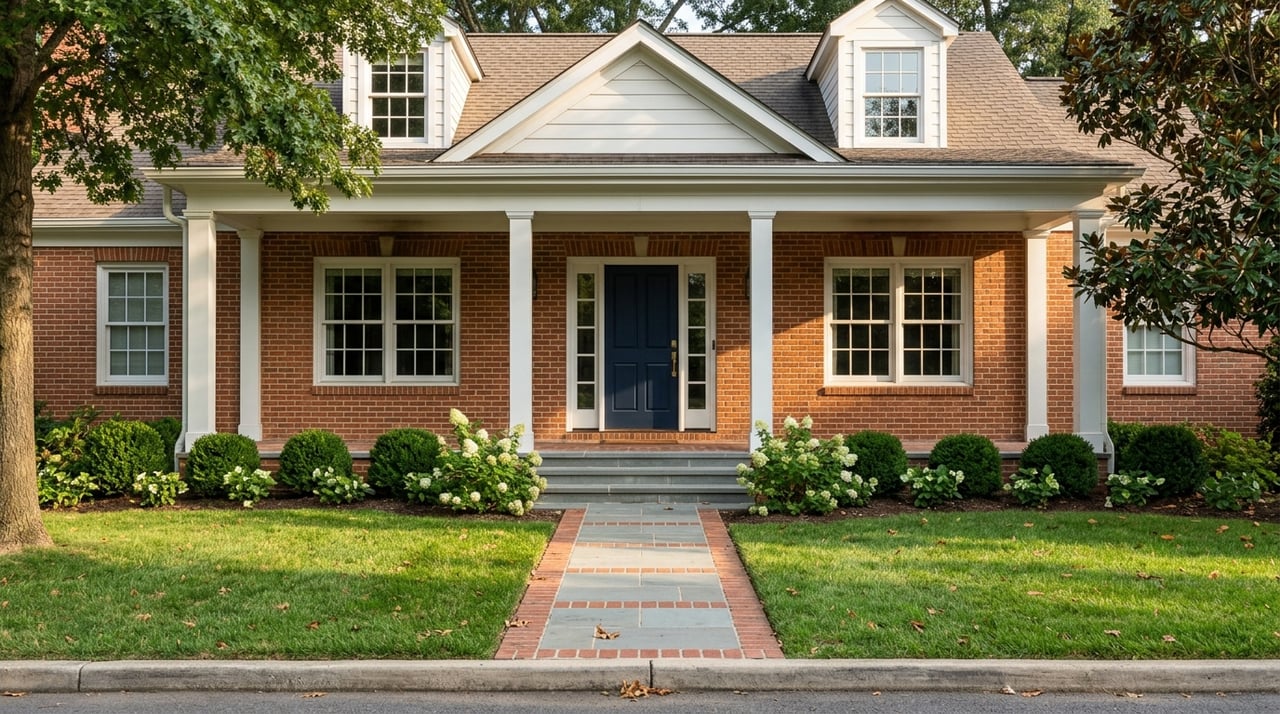
Arlington Home Pricing Strategy for Today’s Market
July 9, 2026
July 9, 2026
If you’re thinking about selling in Arlington, one question matters more than almost anything else: Are you priced for the market you have right now, or the market you hope for? That can feel like a tough line to walk when Arlington still moves quickly, but buyers are also watching value closely. The good news is that with the right pricing, smart preparation, and a strong launch plan, you can position your home to stand out and protect your bottom line. Let’s dive in.
Arlington remains an active market by most measures. Over the three months ending May 2026, Redfin reports that homes sold in about 28 days on average, received about 3 offers, and had a median sale price of $834,501. The same data shows that 41.7% of homes sold above list price, while 23.8% had price drops.
Realtor.com reports 761 active listings in Arlington County, a median listing price of $749,000, and homes averaging 24 days on market. NVAR’s broader Northern Virginia report shows 1.93 months of supply and 15 average days on market regionwide for May 2026. These reports use different timeframes and market boundaries, but together they point to the same reality: demand is there, supply is limited, and pricing mistakes get exposed quickly.
Mortgage rates add another layer. Freddie Mac reported a 30-year fixed rate of 6.43% on July 2, 2026. At Arlington price points, that means many buyers are still motivated, but they are also payment-sensitive, so overpricing can narrow your audience fast.
One of the biggest pricing mistakes sellers make is starting too broad. Countywide numbers can be helpful for context, but they do not tell you what your home should list for. Your pricing strategy should begin with recent closed sales of similar homes in your neighborhood, with similar size, condition, and property type.
Fannie Mae’s comparable-sales guidance supports that approach. It says sales from within the neighborhood are the best indicator of value, comparable sales from the same market area should be used when possible, and at least three closed comparables should be reported. In plain English, that means your home should be priced against what buyers have actually paid for similar homes nearby, not against a headline average.
That matters in Arlington because submarkets vary widely. Realtor.com neighborhood data shows median listing prices of $1,375,000 in Lyon Park, $899,900 in North Arlington, $675,000 in Clarendon-Courthouse, $602,495 in Fairlington, and $457,450 in Ballston-Virginia Square. Those differences are a good reminder that “Arlington” is not one pricing bucket.
Arlington County’s 2026 assessment insert says the average value of existing residential property is $882,900 and notes that the assessment reflects fair market value as of January 1, 2026. That is useful background for understanding the county’s overall price environment. It is not a list-price formula.
An assessment does not replace current market evidence. If similar homes have sold in the last few months, those sales are usually more relevant to your pricing decision than a January assessment snapshot. Buyers and appraisers tend to focus on recent comparable sales, and sellers should too.
When sellers hear that many Arlington homes sell above list, it is easy to assume the goal is to push the asking price as high as possible. The local numbers suggest something more nuanced. Redfin reports a median sale-to-list ratio of 100.8%, but it also reports that nearly one in four homes had a price drop.
That combination tells an important story. Homes that enter the market at a strong, supportable price can still generate urgency and perform well. Homes that start too high are more likely to sit, miss that early momentum, and need a reduction later.
The launch period is where pricing and positioning either work together or work against you. Redfin shows about 28 days on market in Arlington, Realtor.com shows 24 days, and NVAR shows 15 average days on market across Northern Virginia. Even allowing for different methodologies, the takeaway is clear: you do not have much time to make a first impression.
Fannie Mae’s selling guidance notes that when a home sits on the market, sellers may need to reduce the price or change strategy, and that the longer a home remains for sale, the harder it typically becomes to sell. For you, that means the first week or two should not be treated casually. Your pricing, photos, condition, and launch timing should all be dialed in before you go live.
In a market like Arlington, preparation usually works best when it is selective and strategic. Fannie Mae advises sellers to inspect the home, make needed repairs, apply cosmetic updates, and keep the space neutral, simple, and free of clutter. That is often a better use of time and money than taking on large renovations right before listing.
The 2025 NAR staging survey adds useful perspective. It found that 29% of agents said staging increased the dollar value offered by 1% to 10%, and 49% said staging reduced time on market. It also found that many sellers’ agents skipped full staging and instead recommended decluttering, cleaning, and correcting property faults.
That lines up with what buyers tend to notice first. The survey found the living room, primary bedroom, and kitchen were among the most important rooms to stage. If you want to improve how your home competes online and in person, those spaces often deserve the most attention.
You do not always need a full remodel to improve market position. In many cases, the biggest gains come from making the home feel clean, cared for, and easy to understand. Buyers respond to homes that photograph well, show clearly, and do not raise obvious maintenance questions.
A focused prep plan often includes:
For many sellers, this is where concierge support matters. Coordinating vendors, repairs, and presentation takes time, and a structured plan can help you avoid over-improving or spending in the wrong places.
If your property is in one of Arlington’s local historic districts, exterior work may require another step before you begin. Arlington County says the Historical Affairs and Landmark Review Board reviews certain exterior alterations, demolition, and new construction through a Certificate of Appropriateness process. Some districts also use county design standards or Secretary of the Interior standards.
That does not mean you cannot improve your home before listing. It means exterior changes should be reviewed carefully so your prep timeline stays on track. If your home may be affected, it is wise to confirm what applies before starting visible exterior work.
For older Arlington homes, prep is not only about appearance. It is also about compliance. Virginia’s Department of Professional and Occupational Regulation says the Residential Property Disclosure Act governs information owners must disclose to prospective purchasers.
If your home was built before 1978, federal lead-based paint rules may also apply. The EPA says sellers of most housing built before 1978 must disclose known lead-based paint hazards and provide the lead pamphlet, and the Virginia Department of Health notes that homes built before 1978 are more likely to contain lead-based paint. If you plan painting or renovation work before listing, lead-safe practices matter.
A higher asking price does not automatically create a better outcome. If the price pushes buyers away, extends time on market, or leads to reductions later, your final net may suffer. Fannie Mae notes that sellers should also factor in home-improvement costs, closing costs, and moving expenses when evaluating their equity and sale proceeds.
That is why smart positioning is about more than aiming high. It is about creating the strongest path to the best realistic result. In Arlington, that usually means matching the list price to recent neighborhood comps, preparing the home thoughtfully, and launching with a complete, polished listing package.
In today’s market, a well-positioned Arlington listing usually has a few things in common. It is priced from recent comparable sales, not broad averages. It is presented cleanly and clearly, with attention to the rooms and details buyers notice first.
It also hits the market ready. That means photos, condition, repairs, and strategy are aligned before the listing goes live, not patched together after feedback starts rolling in. When buyers are moving quickly, preparation is often what helps a home capture attention early and negotiate from a position of strength.
If you’re getting ready to sell and want a pricing and prep plan built around your home, your block, and your goals, Lyssa Seward can help you create a smart, concierge-level strategy from listing preparation through negotiation.
Stay up to date on the latest real estate trends.


Have questions about Alexandria real estate? Looking to buy or sell a home? Contact The Seward Group today! Our friendly team is ready to provide all the information and support you need. Call, email, or drop by our office to start your journey with us