Original Vs Updated Homes In Waynewood: How To Decide
July 16, 2026
July 16, 2026
Wondering whether an original Waynewood home is a hidden opportunity or a future project you may regret? If you are house hunting in this neighborhood, that question is more common than you might think. Waynewood’s housing stock spans preserved mid-century homes, partially refreshed properties, and fully renovated houses, so the right choice depends on your budget, timeline, and comfort with risk. This guide will help you weigh the tradeoffs and know what to look for before you decide. Let’s dive in.
Waynewood is not a neighborhood where every home feels the same. Local history shows home sales began in 1957, and much of the neighborhood was built in the late 1950s and early 1960s. That means buyers are often comparing homes with the same era roots but very different levels of upkeep and renovation.
In practical terms, you are usually not choosing between old and new construction. You are choosing between character and convenience, or in many cases, between different levels of future work. That is why the original-versus-updated question matters so much in Waynewood.
The neighborhood also offers established amenities that can support day-to-day lifestyle and long-term appeal no matter which type of home you choose. The Waynewood Recreation Association describes amenities such as two 25-meter pools, tennis courts, a basketball court, baseball diamonds, a playground, and a large pool house. Fairfax County Public Schools currently places Waynewood Elementary in the West Potomac High Pyramid, though boundaries can change and should be confirmed for a specific address.
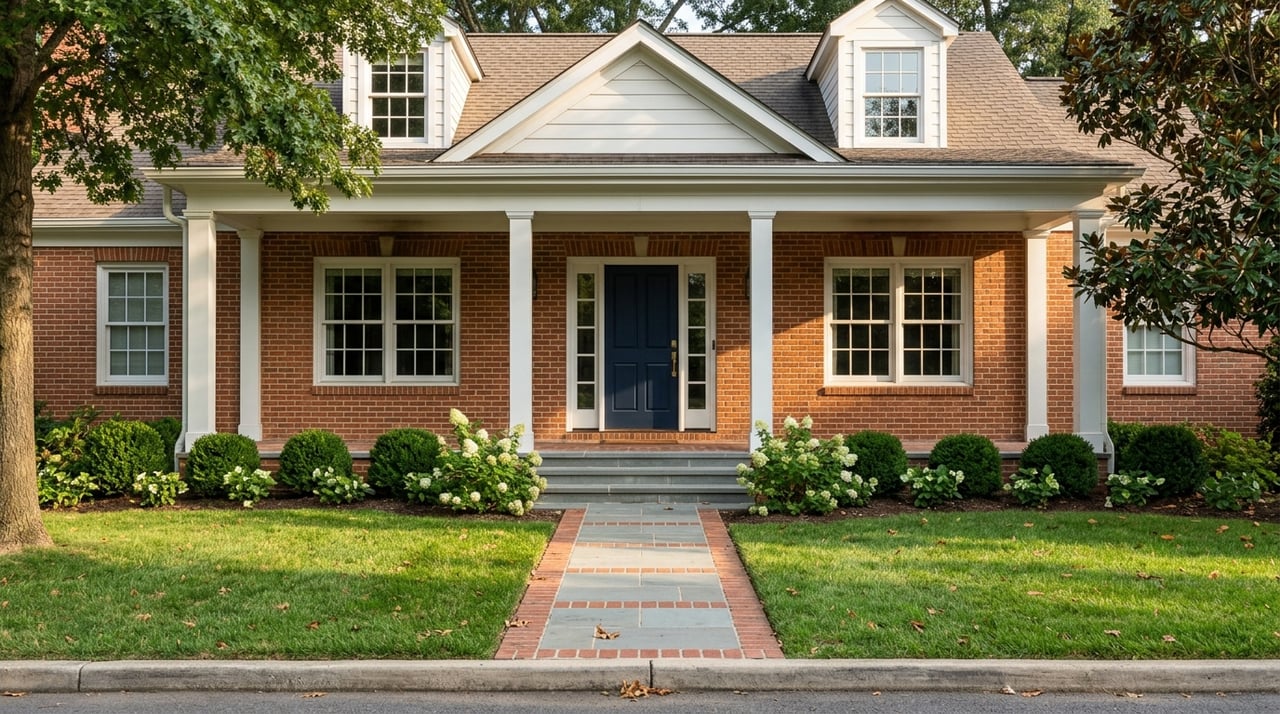
In Waynewood, “original” usually means more than an older build date. Public listings often show homes that still reflect their mid-century design, including original hardwood floors, wood-burning fireplaces, wood paneling, pocket doors, and classic split-level or Cape Cod layouts. Some homes keep much of their original footprint, circulation, and room arrangement.
That can be a real advantage if you love charm and want a house with a strong sense of identity. Original homes often preserve the scale and feel that made Waynewood appealing in the first place. They can also offer a lower entry price than a heavily renovated home, depending on condition and location.
Still, original does not always mean simple. A house can look charming on the surface while hiding older systems, deferred maintenance, or a layout that may not match how you live today. If you are considering an original home, you need to look past finishes and focus on structure, systems, and future costs.
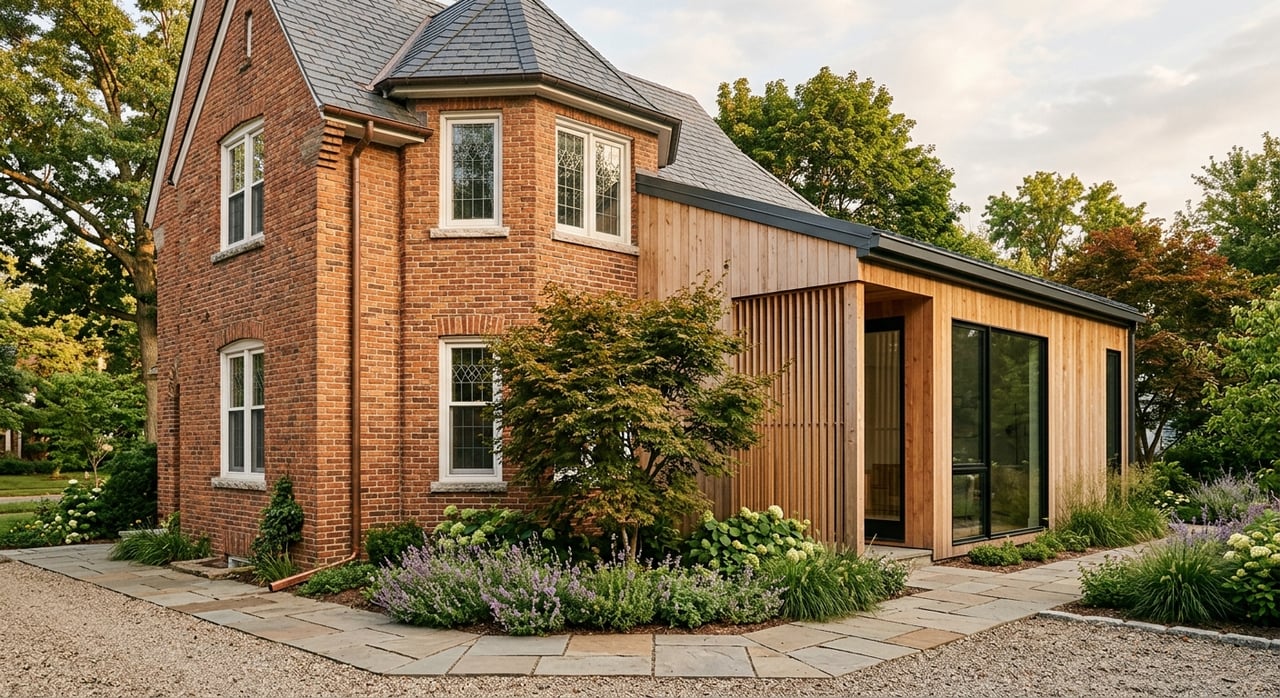
Updated homes in Waynewood often involve much more than cosmetic changes. Current public listings describe whole-house renovations, additions, open-concept reconfigurations, new kitchens and baths, new roofs, windows, siding, garages, and dual-zoned HVAC. In some cases, renovations have included second-story additions or full rebuild-style transformations.
That distinction matters because a true update can shift a lot of uncertainty out of your first few years of ownership. If major systems, layout changes, and finishes were completed recently and properly, you may have fewer immediate projects and more predictable costs. For busy buyers, that peace of mind can be worth paying for.
But not all updates carry the same value. Fresh paint and a new backsplash are very different from a permitted addition with final inspections. In Waynewood, the best updated homes usually combine modern function with clear documentation.
Waynewood was not built as a one-size-fits-all subdivision. Local history notes that the development launched with several model homes, and some later sections included larger lots, in some cases up to one-half acre. That helps explain why one home may feel compact and intact while another has room for a major addition or rebuild.
If you are deciding between original and updated, the lot itself deserves close attention. An original home on a strong lot may offer long-term upside if you plan to renovate over time. On the other hand, a smaller lot or more constrained footprint may make a fully updated home more attractive because much of the heavy lifting has already been done.
Before you fall in love with one version of Waynewood over another, ask yourself four practical questions:
These questions can clarify your decision faster than comparing countertops ever will. A home that looks like a bargain may not feel that way once you factor in time, cash, and disruption.
An original Waynewood home can be a smart choice if the floor plan works well enough for your current needs and the lot has long-term potential. It may also make sense if you have reserve funds and are comfortable updating systems in phases rather than all at once. This path often appeals to buyers who value character and do not mind living through a gradual improvement plan.
You may also prefer an original home if you want more control over the final result. Instead of paying for someone else’s renovation choices, you can decide what to preserve, what to modernize, and when to do it. That can be especially appealing in a mid-century neighborhood where original details still carry charm.
The tradeoff is that you need patience and flexibility. Older homes can come with aging HVAC, roofing, plumbing, windows, electrical components, moisture issues, or other hidden conditions that do not show up in listing photos.
An updated home often fits buyers who want speed, predictability, and a lighter maintenance load in the near term. If you are relocating, managing a demanding job, or simply do not want to coordinate projects after closing, a renovated home may offer a smoother start. You are likely paying more upfront, but you may be buying back time and certainty.
This option can also make sense if you expect to sell again within a shorter time horizon. Homes with modern layouts and documented improvements often appeal to a broad range of future buyers. In Waynewood, that wider appeal can matter when resale day comes.
That said, your confidence should come from documentation, not décor. A polished look is helpful, but records matter more than staging when you are evaluating true value.
If a Waynewood home has been renovated, Fairfax County’s permit system is a key part of your review. The county states that residential additions and alterations can include renovations, decks, finished basements, and similar work. It also notes that a Residential Use Permit is issued only after permits receive final inspections and applicable conditions are met.
For you as a buyer, that means the phrase “updated home” should lead to follow-up questions. Ask whether the work changed the layout, expanded the footprint, or upgraded major systems. Then ask for permit records, final approvals, and contractor documentation when applicable.
Fairfax County’s PLUS system is the official platform for searching permit-related records. It is also important to know that not every cosmetic improvement requires a building permit, while more substantial work often does. If a property is in a floodplain or resource protection area, separate county approval may also be required for certain projects.
Because Waynewood homes largely predate 1978, lead-based paint due diligence matters. Fairfax County Health says 47% of homes in the county were built before 1978 and recommends asking for a lead inspection before buying a home built before that year. That is especially important if you are buying an original home or planning renovations after closing.
Virginia’s Residential Property Disclosure Statement also places more responsibility on buyers to investigate. It warns that sellers may make no representations on issues such as flood hazard areas, resource protection areas, wastewater systems, conservation easements, marine clays, radon, lead pipes, and defective drywall, among other hazards. In short, the age of the home should increase your diligence, not reduce it.
If you plan to renovate a pre-1978 home after purchase, lead-safe work practices matter too. The EPA advises using a lead-safe certified contractor for renovation, repair, and painting work in older homes. That is worth factoring into your budget and project timeline from day one.
If you want a simple way to decide, think of original and updated homes as two different value packages.
Original homes may offer:
Updated homes may offer:
There is also a middle ground. In Waynewood, a hybrid home can be a sweet spot if key systems have already been modernized while the house still keeps its original scale and feel. For many buyers, that blend offers the best balance of charm and practicality.
No matter which direction you lean, it helps to review the same core items before you move forward:
This kind of review can help you compare homes more clearly and avoid being swayed by finishes alone. In a neighborhood like Waynewood, smart decisions usually come from looking at the house as both a home and a long-term asset.
If you are weighing original versus updated in Waynewood, the best answer is rarely universal. It comes down to how you want to live, what kind of projects you can realistically handle, and how much certainty you want at the start. If you match the house to your timeline, budget, and tolerance for work, you will be in a much better position to buy with confidence.
If you want expert guidance comparing homes, reviewing renovation history, and understanding how each property fits your goals, Lyssa Seward can help you make a clear, well-informed move.
Stay up to date on the latest real estate trends.
Have questions about Alexandria real estate? Looking to buy or sell a home? Contact The Seward Group today! Our friendly team is ready to provide all the information and support you need. Call, email, or drop by our office to start your journey with us