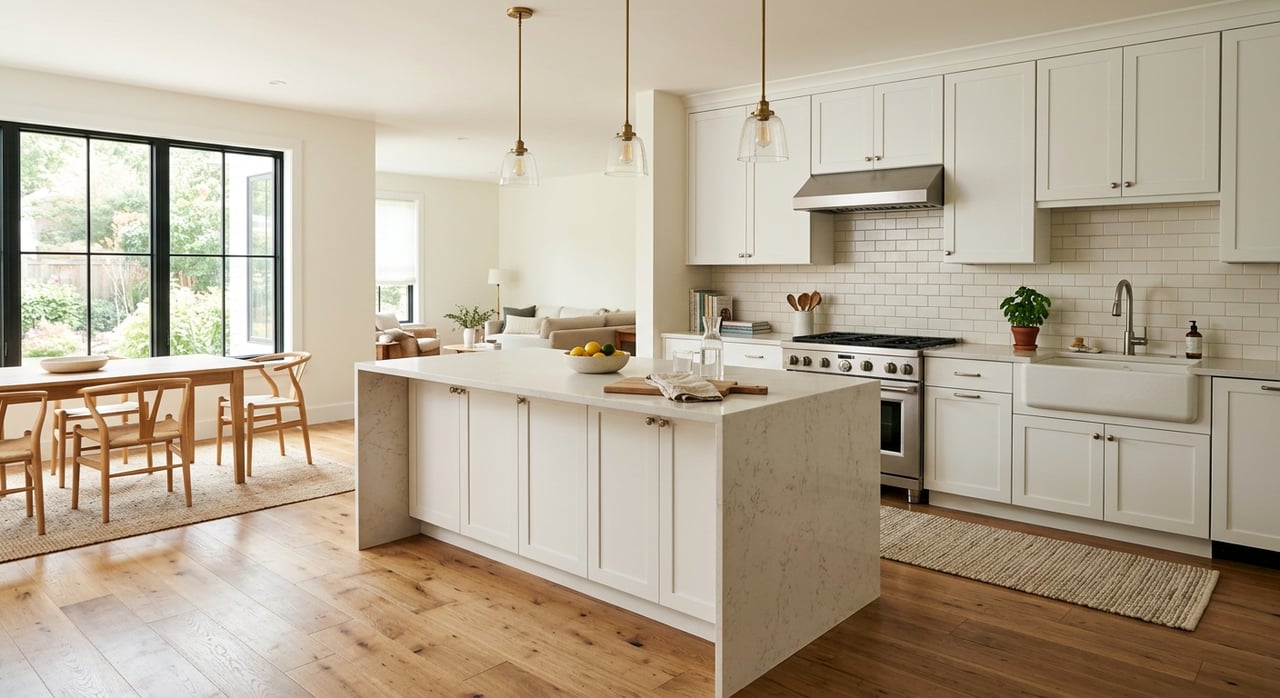
Historic Vs Newer Homes In Old Town Alexandria
June 11, 2026
June 11, 2026
Buying in Old Town Alexandria often comes down to one big question: Do you want the charm of a historic home or the convenience of newer construction? If you are weighing brick rowhouses, compact lots, condo living, or newer townhome-style options, that choice can shape everything from parking to renovation plans. Understanding how Old Town’s preservation rules, parking systems, and association structures work can help you choose with more confidence. Let’s dive in.
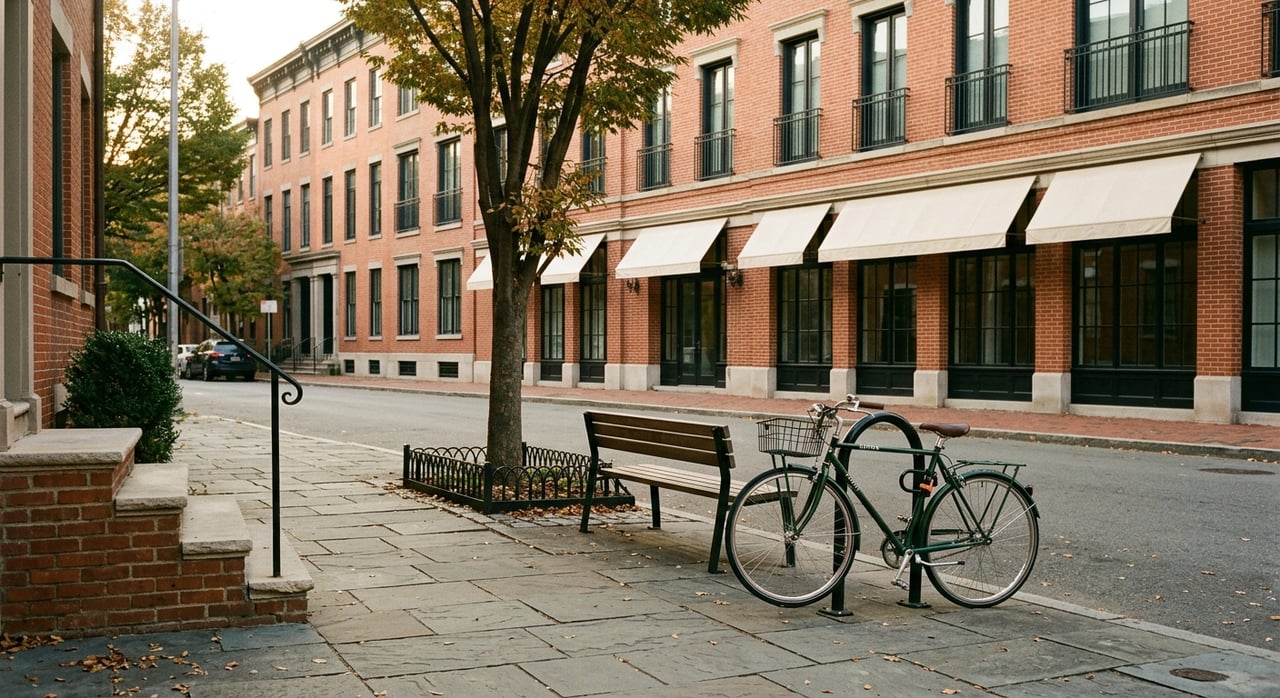
Old Town is not just an older neighborhood. It is Alexandria’s historic urban core, first incorporated in 1749, and the city says more than 200 structures were built before 1820, with most of them located in Old Town. That history is a big part of why the area feels visually layered and architecturally unique.
The area is also shaped by local preservation oversight. The Old and Historic Alexandria District was designated in 1946, and within that district, along with Parker-Gray, exterior changes visible from a public right of way typically require a Certificate of Appropriateness through the Board of Architectural Review, often called BAR. Interior work does not require BAR approval.
That means your decision is not only about style. In Old Town, the home itself and the rules around it often go hand in hand.
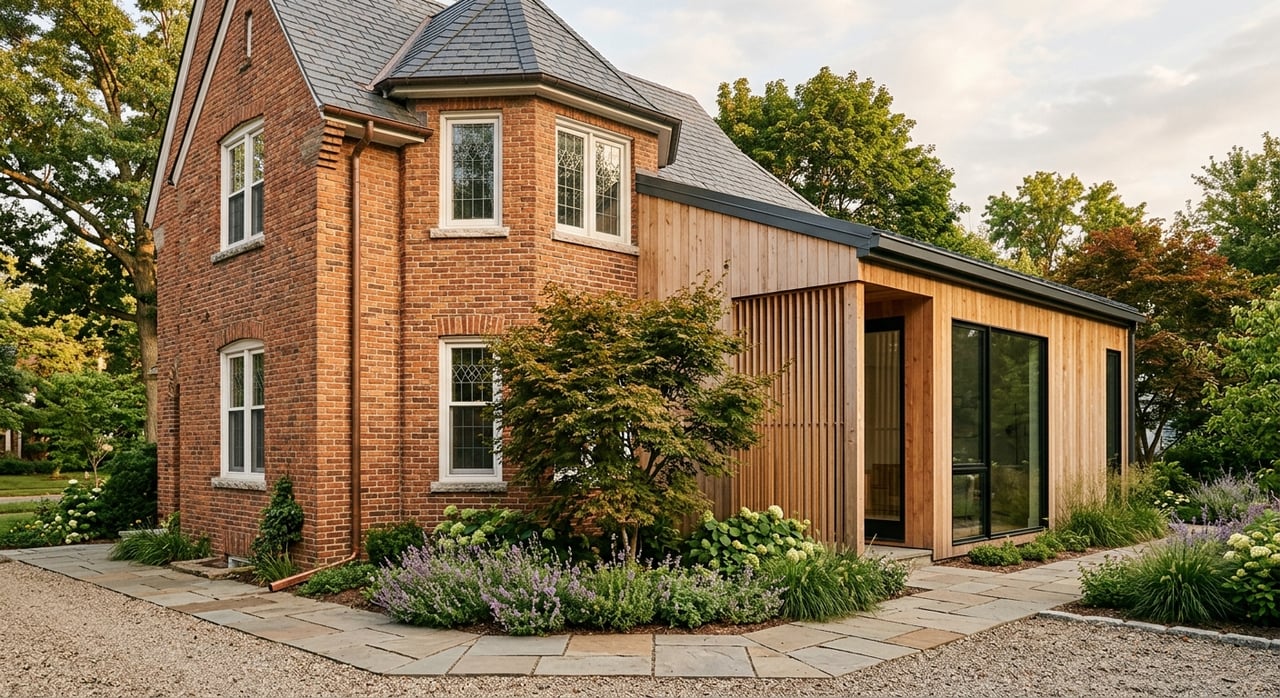
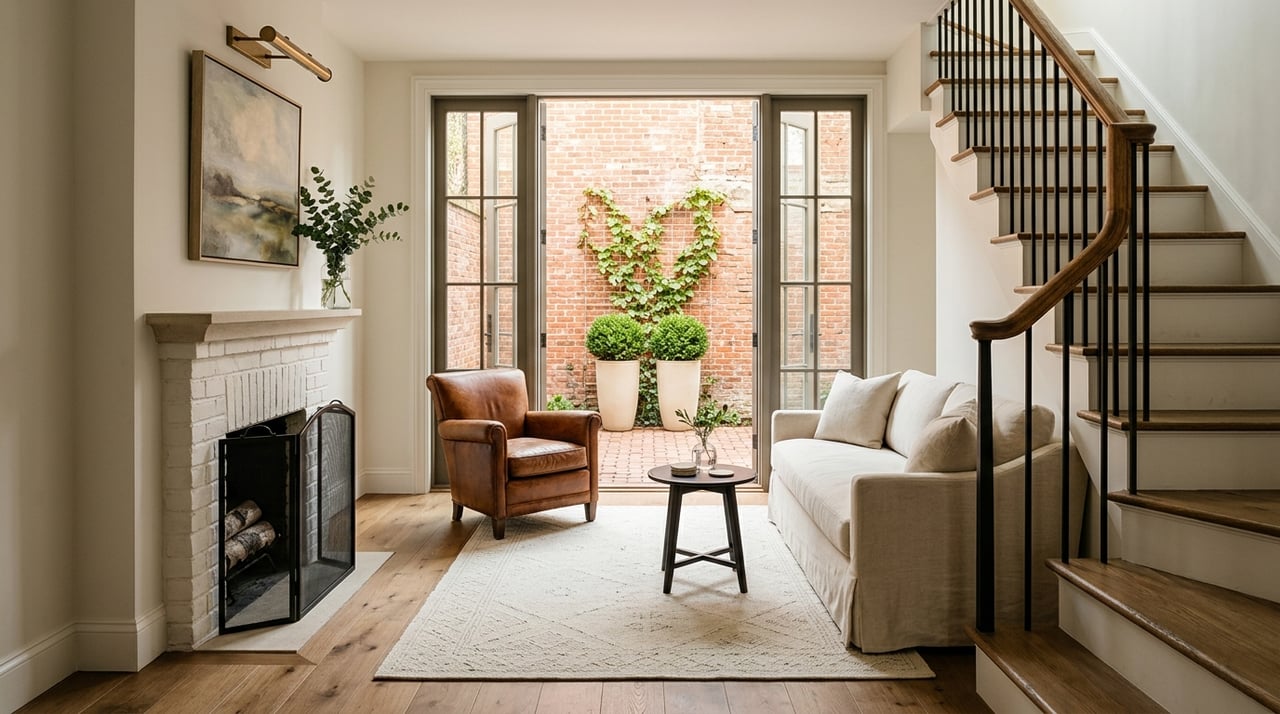
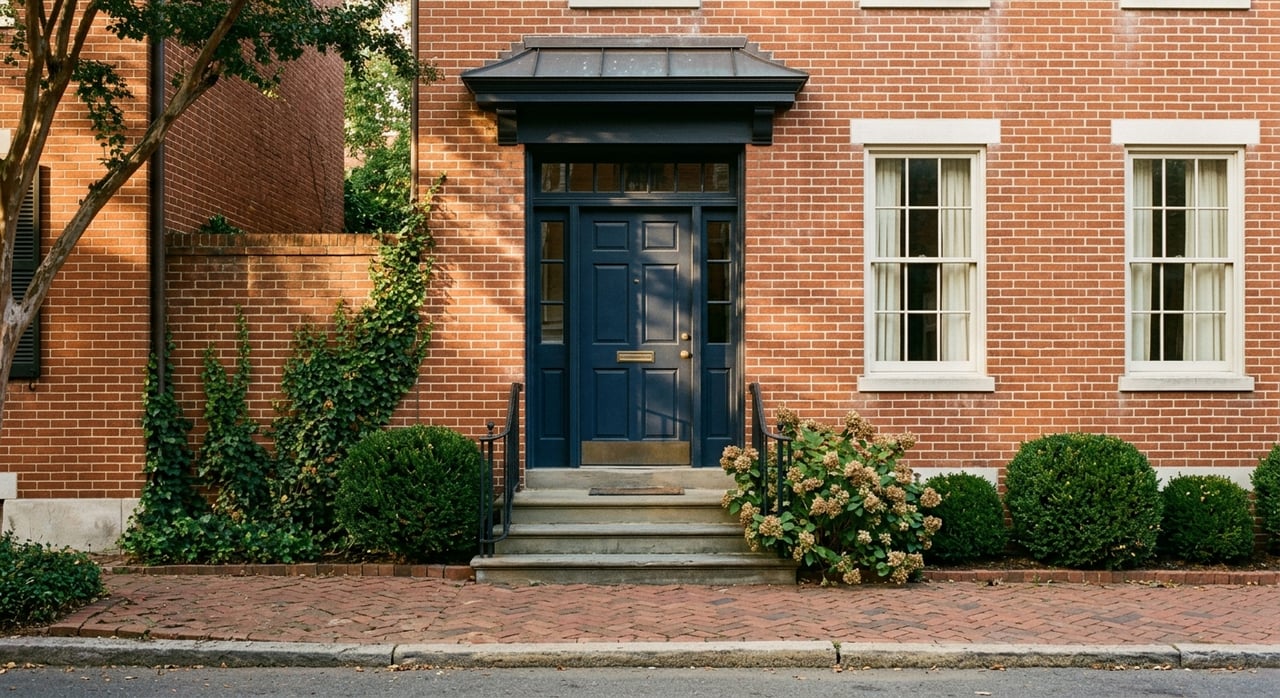
Historic homes in Old Town often appeal to buyers who care deeply about architecture, streetscape, and a sense of place. These homes can offer original brickwork, narrow frontages, and layouts that reflect how Alexandria developed long before modern zoning standards. If character is high on your list, historic housing stock may feel hard to beat.
The city notes that Old Town has a high concentration of townhouses and townhouse-like buildings. Many were built before current zoning rules, which helps explain why some homes sit on smaller lots and have dimensions that feel very different from newer suburban homes. The city even points to a 20-foot-wide house on Prince Street as an example of how compact some Old Town properties can be.
Historic homes tend to offer:
For many buyers, that charm is the point. You are not just buying square footage. You are buying into a specific built environment that has been carefully preserved.
The tradeoff is that exterior changes can involve more process. If a property is in the Old and Historic Alexandria District or Parker-Gray, updates to visible windows, railings, masonry, additions, or facades can require BAR review. That can add time and planning to projects that might be simpler elsewhere.
Old Town is also considered archaeologically sensitive. The city reports that 72% of the land has potential for archaeological resources, and some development involving site plans, special use permits, or erosion control plans may be reviewed under the Archaeological Protection Code. For buyers thinking about larger exterior or site work, that is worth understanding early.
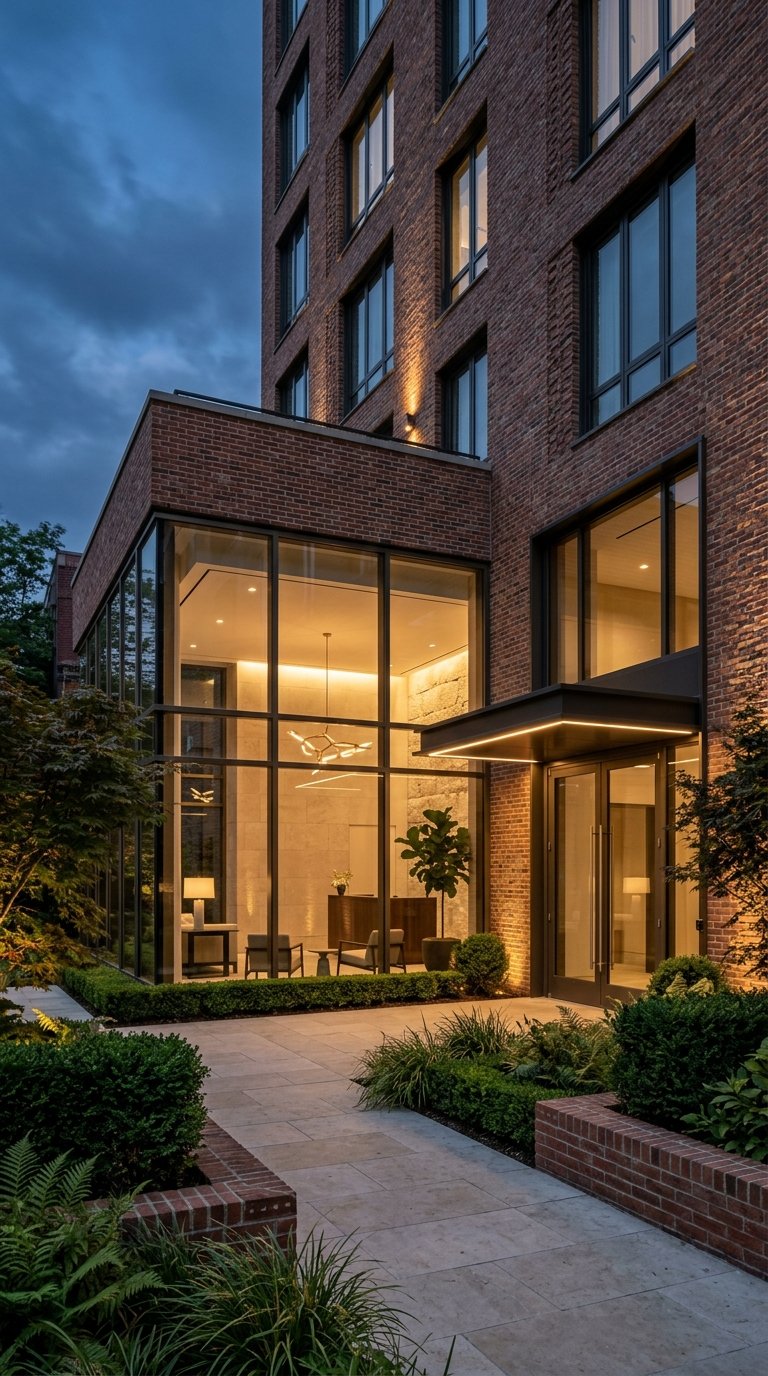
Newer construction in and around Old Town, especially in Old Town North, tends to reflect a different planning approach. The Old Town North Small Area Plan, adopted by City Council in 2017, emphasizes walkability, a mix of uses, placemaking, and transit-oriented development. In practical terms, that often means more formalized building design, structured parking expectations, and association-based living.
If you want a home that feels more current in layout and systems, newer construction may offer a better fit. You may find more predictable parking arrangements, more standardized building materials, and fewer preservation-related limits on exterior changes, depending on the location and ownership structure.
Newer homes and condos may offer:
That does not mean newer homes are simple by default. It means the considerations are often different from those attached to a historic property.
In Old Town North, the city’s design standards are very specific about parking and building form. For most buildings other than townhouses and stacked townhouses, parking must be below grade or fully screened by active uses, and surface parking lots are prohibited. For townhouses, parking is expected from a rear alley, and front-loaded garages are prohibited.
The standards also emphasize durable materials, façade articulation, and avoiding blank visible walls. Alexandria’s zoning analysis says current parking requirements for single-family detached, two-family, and row or townhouse dwellings are 2 spaces per unit, while multifamily parking is based on bedrooms and transit proximity. That helps explain why parking is such a major feature in newer projects.
In Old Town, parking is not a side issue. It can be one of the clearest differences between a historic home and a newer property.
For many historic homes, parking may depend on the street, permits, or a nearby arrangement rather than a private garage. The city created residential permit parking districts because of demand, especially in Old Town and near Metro. In Old Town, on-street parking is metered or time-limited, meter parking is generally limited to two hours, and meter feeding is prohibited.
On some residential blocks, non-residents may pay $3 per hour without a district or guest permit. That makes it important to ask exactly how parking works for any home you tour, especially if you rely on a car every day or expect regular guests.
By contrast, newer condo and townhouse developments often build parking into the site design from the start. That does not always mean easier ownership overall, but it can create more structure and predictability.
If your Old Town search includes condos or townhomes with an association, the decision is not just historic versus newer. It is also individual upkeep versus shared governance.
Under Virginia law, each condominium unit is treated as a separate parcel of real estate. Condominium documents may require the association to carry master casualty and liability insurance, and associations collecting assessments must also maintain fidelity coverage. More importantly for buyers, the resale certificate must disclose key details such as assessments, special assessments, reserves, operating budget, reserve study, litigation, insurance coverage, and restrictions on parking or renting.
That package matters because association living can shift where costs show up. Instead of handling every exterior item directly, you may pay regular assessments and face special assessments if the board determines they are needed for maintenance, repair, replacement, or capital components. Lower-maintenance living does not mean no surprises.
| Feature | Historic Home | Newer Home or Condo |
|---|---|---|
| Character | Often high architectural character and older materials | More current design and systems |
| Exterior changes | May require BAR review if visible from public right of way in local historic districts | Usually shaped more by community rules and current development standards |
| Lot and layout | Often compact lots and older floor plans | Often more standardized layouts |
| Parking | May rely on street permits or limited off-street options | Often built into the project design |
| Ownership complexity | More direct responsibility for maintenance and approvals | More association documents, budgets, and shared-cost review |
No matter which direction you lean, a smart tour checklist can save you time and stress later. In Old Town, these questions are especially useful because they connect directly to local rules and Virginia disclosure requirements.
Ask:
These questions can reveal whether the home fits your expectations for flexibility, timing, and upkeep.
Ask:
These answers can tell you a lot about long-term cost, convenience, and how the property may function day to day.
There is no one-size-fits-all answer in Old Town. Historic homes often make the most sense if you value architectural character and are comfortable with added review and maintenance considerations. Newer construction often works better if you want more formal parking, more current building systems, and clearer association structures.
Your best choice depends on how you live. If you want the feel of original brick, narrow streets, and deep local history, the extra planning may be worth it. If you want more predictable parking and a more standardized ownership experience, a newer condo or townhouse may better match your priorities.
In a market as nuanced as Old Town, the details matter. That is why having local guidance can make such a difference, especially when you are comparing two homes that look appealing on paper but come with very different day-to-day realities.
If you are deciding between a historic property and newer construction in Old Town Alexandria, Lyssa Seward can help you evaluate the tradeoffs, ask the right questions, and move forward with clarity.
Stay up to date on the latest real estate trends.
Have questions about Alexandria real estate? Looking to buy or sell a home? Contact The Seward Group today! Our friendly team is ready to provide all the information and support you need. Call, email, or drop by our office to start your journey with us