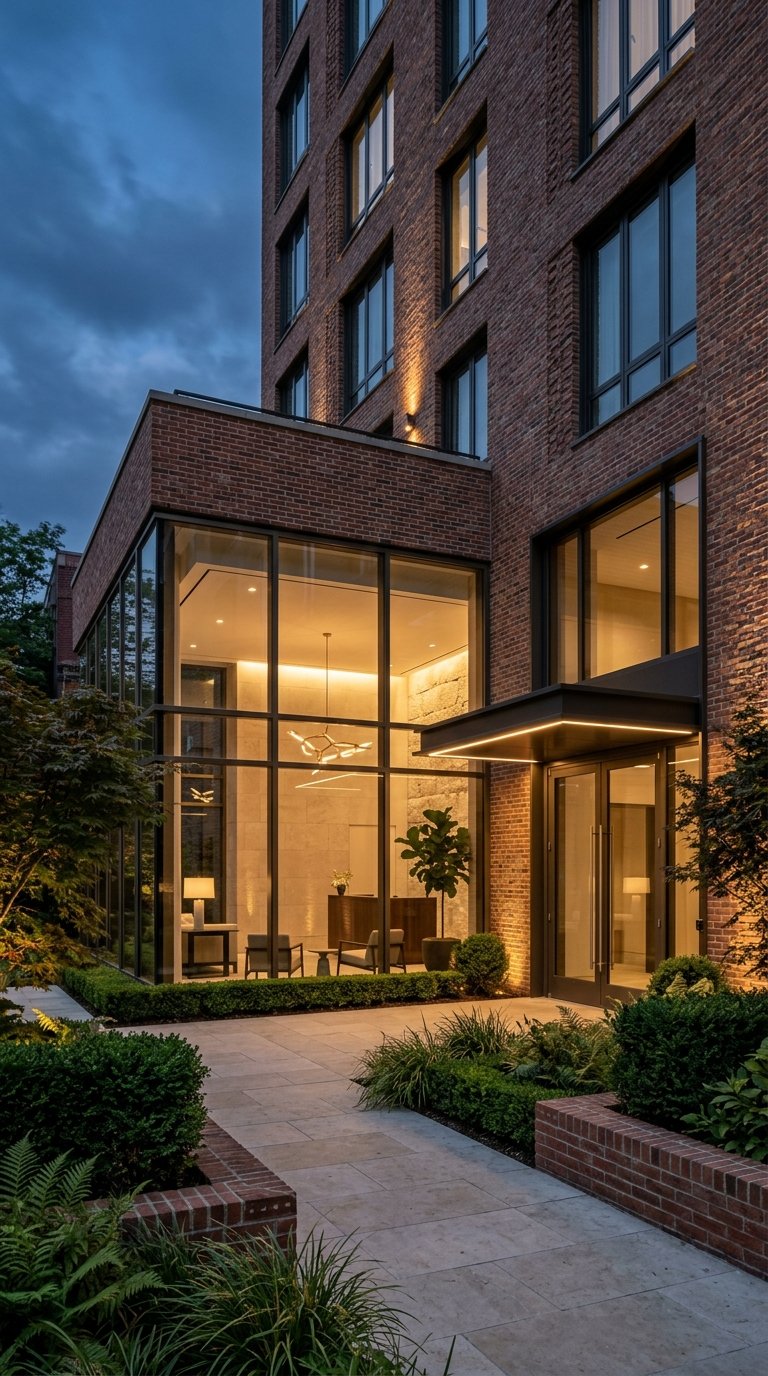
How To Choose An Arlington Condo Near The Metro
July 2, 2026
July 2, 2026
If you have started browsing condos in Arlington, you have probably noticed that “near the Metro” can mean very different things. One building may put you in the middle of a busy, high-rise district, while another offers a more residential feel just a few stops away. If you want to choose wisely, you need to look beyond the listing headline and compare the station area, the building, the fees, and the day-to-day lifestyle. Let’s dive in.
In Arlington, Metro-oriented development is not the same everywhere. The County uses a "bulls-eye approach" in the Rosslyn-Ballston corridor, with the tallest and densest development concentrated within about a quarter mile of each Metro station. That means your experience can change quickly from one station area to the next, even if every condo seems close to transit.
Rosslyn is Arlington’s high-rise gateway across the Key Bridge. The area includes major office towers, high-rise condos and apartments, and a strong skyline presence. If you want a downtown feel and easy access to the city, Rosslyn may stand out, but you should also expect a busier street environment and a more vertical building stock.
Courthouse includes a mix of residential, government, office, and retail uses. The County also notes that parts of the station area taper to lower density outside the quarter-mile core. If you want central Arlington convenience with a somewhat more mixed setting than Rosslyn, Courthouse is worth a close look.
Clarendon is known for its walkability and mix of shops, restaurants, bars, offices, open space, and public art. Arlington County also notes above-average public transportation use among residents. If you want energy and easy access to dining and activity, Clarendon can be a strong fit, but it may feel less appealing if you prefer quieter evenings and weekends.
Virginia Square is described by the County as a predominantly residential community with cultural, educational, and recreational activity. Planning goals there focus on parks, open space, retail, and pedestrian access. If you want to stay near Metro while leaning toward a more residential setting, Virginia Square may offer a better match than some of the busier neighboring station areas.
Ballston is a major transportation hub with office buildings, residential towers, hotels, shops, restaurants, and open spaces. It has the feel of a busy downtown and offers one of Arlington’s deepest mixes of conveniences. If you want activity and transit access at your doorstep, Ballston is an obvious contender, though it is also one of the denser and more active environments.
Crystal City is framed by the County as a more vibrant, walkable, transit-oriented area with more housing options and improved public spaces. Pentagon City is a shopping, dining, and commuter hub between I-395 and Richmond Highway. If your top priorities are convenience, transit access, and a strong amenity base, both areas deserve serious consideration.
East Falls Church sits on Arlington’s western edge and is described as a more residential station area with homes, townhouses, parks, and other neighborhood-serving features. The County’s planning approach emphasizes preserving residential areas while improving pedestrian and bicycle access near the station. If you want a Metro address without the intensity of Arlington’s busiest corridors, East Falls Church can be a smart compromise.
A good Metro location is not just about the station area. The building itself can shape your daily experience just as much as the neighborhood around it. In Arlington, dense mixed-use areas often include high-rise towers, while some station areas have more tapering or lower-density edges.
Do not stop at the address or station label. Map the actual walk from the condo to the station entrance, because the route and distance matter more than the listing description. A condo may be in the station area but still involve a longer or less direct walk than you expected.
Ask practical questions about how the building works day to day. Garage parking, bicycle storage, and elevator capacity can all affect convenience in a meaningful way. These details matter even more in dense, transit-oriented areas like Rosslyn, Clarendon, Ballston, Crystal City, and Pentagon City.
Two units in the same building can live very differently. One may face a quieter courtyard, while another may overlook a busy corridor, nightlife zone, rail line, or airport approach. In Arlington, where station areas are intentionally active and dense, unit orientation can have a big impact on comfort.
WMATA station access patterns can help you narrow your choices. In the core Rosslyn-Ballston station areas, station parking is commonly not available. East Falls Church, by contrast, has 422 all-day parking spaces, short-term metered parking, and reserved parking, while Pentagon City has no parking but does offer direct access to the Fashion Centre at Pentagon City.
If you want a car-light lifestyle, the core corridor may make the most sense. If you want Metro access while keeping more driving and parking flexibility, East Falls Church may be a better fit. The right answer depends on how you plan to move through Arlington every day.
One of the biggest mistakes condo buyers make is focusing only on the purchase price. Condo fees are usually paid directly to the association and are not part of the mortgage payment. That means your true monthly cost may be much higher than the mortgage alone suggests.
A monthly condo fee can include items like water, gas, heat, trash, parking, concierge services, and reserve contributions. Before you compare one building to another, make sure you know what is included. A higher fee may reflect broader services or stronger building funding, while a lower fee may not always be the bargain it appears to be.
Virginia law requires condo associations to make annual budgets available and to conduct a reserve study at least once every five years. Boards must review that reserve study annually and may adjust assessments as needed. If regular assessments are not enough, the board may levy an additional assessment against the units.
That is why low fees should not automatically win you over. Arlington County’s homeownership study materials also note local concern about high condo fees, deferred maintenance, and unforeseen assessments. In many cases, the association’s finances matter just as much as the finishes inside the unit.
Before you tour seriously, ask for:
These documents can tell you a lot about the building’s financial health and help you avoid surprises later.
Noise can be a bigger issue in Arlington than many buyers expect. The County has a Noise Control Ordinance, but your experience will still come down to the exact building and unit location. A condo near Metro may also be affected by nightlife, street traffic, construction, airport activity, or rail vibration.
Do not rely on one daytime showing. Visit during rush hour, at night, and on a weekend if possible. Then walk the exact route from the station entrance to the building so you can understand what daily life will really feel like.
Clarendon’s lively atmosphere, Ballston’s busy downtown character, and the commuter activity around Crystal City and Pentagon City can all be positives if you want convenience and energy. But those same features may bring more motion and noise. East Falls Church may offer a quieter experience, but with a different urban feel and fewer big-core amenities right outside your door.
If you want to narrow your search efficiently, focus on these steps before touring units:
The best Arlington condo near the Metro is not always the one closest to the station on paper. It is the one that fits your routine, budget, and comfort level with activity, density, and noise. Rosslyn, Courthouse, Clarendon, Virginia Square, Ballston, Crystal City, Pentagon City, and East Falls Church each offer a different version of Metro-connected living.
If you want help comparing Arlington condo options with a clear eye on commute, building quality, and long-term value, Lyssa Seward can help you make a confident move.
Stay up to date on the latest real estate trends.
Have questions about Alexandria real estate? Looking to buy or sell a home? Contact The Seward Group today! Our friendly team is ready to provide all the information and support you need. Call, email, or drop by our office to start your journey with us